Preparedness Checklist and Resources for Tropical Storm Edouard
BY THE AGENCY AUSTIN
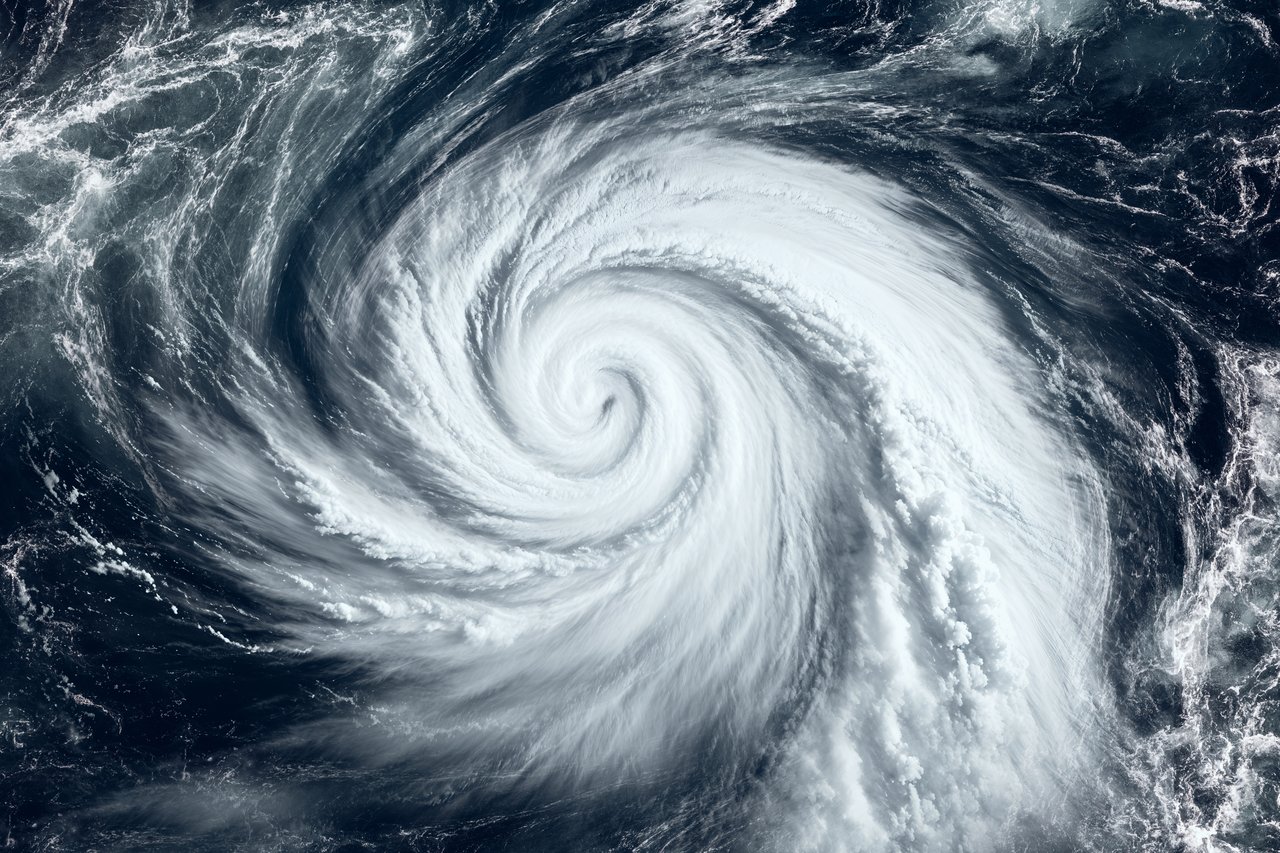
Hurricanes and tropical storms are rotating storms that form over warm waters. These storms bring high winds, heavy rain, storm surge (rise in water level), flooding, and tornadoes. The most common cause of death during a hurricane is drowning. These storms are dangerous and can damage places far inland. But we can take action to prepare. Prepare now to protect yourself, your loved ones, and your home.
WHAT TO DO BEFORE
Make Plans to Stay Safe
Determine your best protection from high winds and flooding. Have a plan to evacuate and a plan to shelter safely.
If advised to evacuate, do so immediately
You may have to leave your home quickly and go to a safe place.
Know where you will go, how you will get there and where you will stay.
Plan well in advance if you will need help leaving or use public transportation.
Mobile, manufactured, trailer homes and recreational vehicles (RVs) are not safe in high wind events. Plan ahead by preparing to evacuate to a safe location.
Plan to shelter safely
Be ready to live without power, water, gas, phone and internet for a long time.
Practice going to a designated safe shelter for high winds. The next best protection is a small room with no windows on the lowest level of a sturdy building that is not likely to flood.
Be aware that flooding can happen quickly. Have a plan to evacuate fast before floodwaters reach you.
Create a personal support team of people you may assist and who can assist you.
Plan to stay connected
Sign up for free emergency alerts from your local government.
Plan to monitor local weather and news.
Have a backup battery or a way to charge your cell phone.
Have a battery-powered radio during a power outage.
Understand the types of alerts that you may receive and have a plan to respond when you receive them.
A WATCH means Be Prepared!
A WARNING means Take Action!
Alerts you may receive include: Hurricane Watch & Warning, Tropical Storm Watch & Warning, Extreme Wind Warning, Storm Surge Watch & Warning, Flash Flood Watch & Warning.
Learn emergency skills
Learn First Aid and CPR.
Be ready to live without power. Utilities may be offline.
Plan for your electrical needs, including cell phones and medical equipment.
Talk to your doctor.
Plan for backup power.
Gather emergency supplies
Gather food, water and medicine. Stores and pharmacies might be closed. Organize supplies into a Go-Kit and a Stay-at-Home Kit.
Go-Kit: at least three days of supplies that you can carry with you. Include backup batteries and chargers for your devices (cell phone, CPAP, wheelchair, etc.)
Stay-at-Home Kit: at least two weeks of supplies.
Have a 1-month supply of medication in a child-proof container and medical supplies or equipment.
Keep personal, financial and medical records safe and easy to access (hard copies or securely backed up). Consider keeping a list of your medications and dosages on a small card to carry with you.
Protect Your Home
Wind Prevention
Secure or bring inside outdoor items, such as lawn furniture and trash cans, that could be picked up by high winds and hurt someone.
Anchor objects that would be unsafe to bring inside, such as gas grills and propane tanks.
Trim or remove trees close enough to fall on your home.
Protect windows with permanent storm shutters or sheeting.
Flood Prevention
Clean out drains, gutters and downspouts.
Stockpile protective materials such as plastic sheeting and sandbags.
Consider installing a sump pump with battery backup.
Consider elevating the heating system, water heater and electric panel.
Review insurance policies with your agency.
WHAT TO DO During
If local authorities advise you to evacuate, go right away.
Bring your Go-Kit.
Follow evacuation routes and do not try to take shortcuts because they may be blocked.
Check with local officials for shelter locations.
Download the Red Cross Emergency App to find shelters near you.
Determine your best protection for high winds and flooding.
Take shelter in a designated storm shelter or an interior room for high winds.
Stay away from glass windows and doors.
Move to higher ground before flooding begins.
Never walk, swim, or drive through floodwater. Remember, Turn Around! Don’t Drown!
WHAT TO DO AFTER
Stay Safe
Wait for officials to say it is safe before going back home.
Avoid damaged or fallen power lines, poles and downed wires. They can electrocute you.
Do not touch floodwaters because they may contain sewage, bacteria and chemicals that can make you ill.
If power is out, use flashlights or battery-powered lanterns to reduce fire risk.
Be aware of carbon monoxide poisoning. Prevent carbon monoxide poisoning. Gasoline, propane, natural gas or charcoal-burning devices should never be used inside a home, basement, garage, tent or camper – or even outside near an open window. Carbon monoxide can’t be seen or smelled, but it can kill you fast. If you start to feel sick, dizzy or weak, get to fresh air right away – do not delay.
Stay Healthy
When in doubt, throw it out! Throw out food that got wet or warm.
Ask your healthcare provider or doctor about refrigerated medicines.
Hurricanes and flooding can make drinking water unsafe.
Monitor your local health department for information about drinking water safety.
Cleanup Safely
Wear appropriate protective equipment including gloves, goggles and boots.
Clean and disinfect everything that got wet.
When cleaning heavy debris, work with a partner.
Make sure that you have proper training before using equipment, such as chainsaws.
Heart attacks are a leading cause of deaths after a hurricane. Be mindful of overworking.
Cleaning up is a big job. Take breaks and take care of yourself.
Take Care of Yourself
It’s normal to have a lot of bad feelings, stress or anxiety.
Eat healthy food and get enough sleep to help you deal with stress.
You can contact the Disaster Distress Helpline for free if you need to talk to someone.
Call or text 1-800-985-5990.
CHECKLIST
Disasters are impossible to predict! They can happen at any time. Now is the time to prepare. A waterproof bag ensures your essential files and documents are in one safe and accessible location in case you must evacuate. Make copies of all the documents below and add the other recommended items.
Be sure and include these items for each family member.
Identification
Driver’s License
Passport
Social Security Cards
Citizenship Documents
Past Utility Bill
Birth Certificates for Each Family Member
Pictures of Each Family Member
Extra Items
Cash in small bills
Roll of Quarters
Bank Account Information
Credit or Debit Cards
Copies of Important Keys
Computer Back-up on Thumb Drives
Photos of Important Household Possessions
Maps
Documents
Auto/Homeowners/Renters/Life/Accident etc. Insurance
Financial Documents
Property Information
Vehicle Title
RV/Trailer/Boat/Utility Vehicle
Will
Loan Documents
Power of Attorney
Medical
Prescription Cards
Advanced Directive
Medical Power of Attorney
Contact
Emergency Contact List
ADDITIONAL STATE AND FEDERAL RESOURCES
FEMA (Federal Emergency Management Agency)
1-800-621-3362
Harris County Emergency Management
713-274-7000
Houston Office of Emergency Management
713-884-4500
National Hurricane Center (NHC)
305-229-4470
State Emergency Assistance Registry
https://www.tdem.texas.gov/response/state-of-texas-emergency-assistance-registry
2-1-1
City of Houston 3-1-1
3-1-1
State Highway Road Conditions
1-800-452-9292
American Red Cross (Texas Gulf Coast)
redcross.org/local/texas/gulf-coast.html
713-526-8300
SBA Disaster Assistance (Business Loans)
sba.gov/disaster
1-800-659-2955
Texas Department of Insurance (TDI)
tdi.texas.gov/consumer/disasters.html
1-800-252-3439